
The Military Compass: Navigating with Precision and Purpose
In the world of military operations, precision navigation is crucial for success. Among the array of tools available to military personnel, the military compass stands as a reliable and essential instrument. In this article, we will explore the significance, features, and applications of the military compass in military operations and how it aids in navigating challenging terrains and fulfilling strategic objectives.
Understanding the Military Compass
- Definition: A military compass, also known as a service compass or tactical compass, is a specialized navigational tool designed for military personnel to accurately determine direction and navigate in the field.
- Purpose: The primary purpose of a military compass is to provide precise and reliable orientation for tactical movements, reconnaissance missions, and strategic planning.

Features and Components of a Military Compass
- Liquid-Filled Housing: Military compasses are typically filled with a special liquid to dampen the movement of the magnetic needle, ensuring steady and accurate readings.
- Magnetic Needle: The compass needle aligns with the Earth’s magnetic field, pointing towards magnetic north.
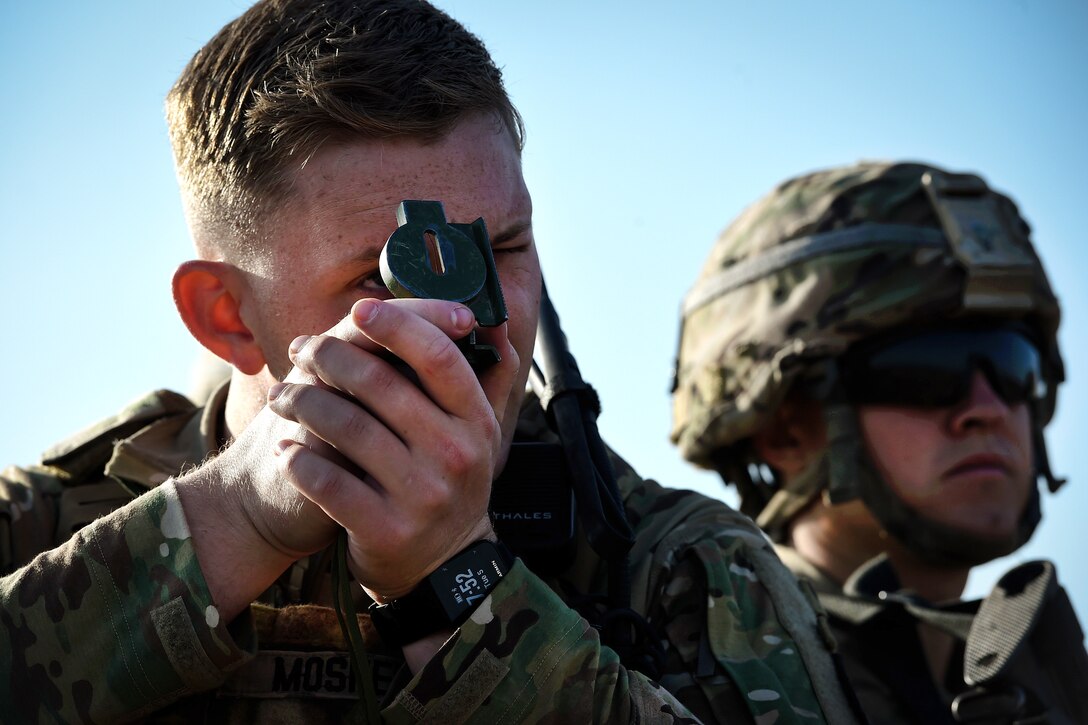
- Sighting Devices: Military compasses often feature additional sighting devices, such as a sighting wire, lens, or prism, to enhance accuracy and allow for precise target acquisition.
- Luminous Markings: Many military compasses are equipped with luminous markings or tritium illumination for easy reading in low-light conditions.
- Clinometer: Some advanced military compasses include a clinometer, which helps measure vertical angles, useful for tasks like artillery adjustment or slope estimation.

Applications and Benefits of the Military Compass
- Land Navigation: Military compasses aid in accurately determining direction, measuring angles, and establishing azimuths for effective land navigation in unfamiliar terrains.
- Tactical Operations: The compass serves as a vital tool for infantry and special forces during tactical movements, allowing precise coordination and alignment with strategic objectives.
- Reconnaissance and Surveillance: Military compasses assist in determining bearings to observed targets, landmarks, or enemy positions, providing critical information for reconnaissance and surveillance missions.
- Artillery Support: Compasses with clinometers enable artillery units to accurately measure and adjust firing angles, ensuring effective targeting and engagement.
Training and Proficiency
- Military personnel undergo comprehensive training to master the use of the military compass, including map reading, terrain association, and navigation techniques.
- Proficiency in compass navigation is honed through practical exercises, field training, and simulated scenarios, ensuring operational readiness and the ability to navigate in diverse environments.